Skip to content
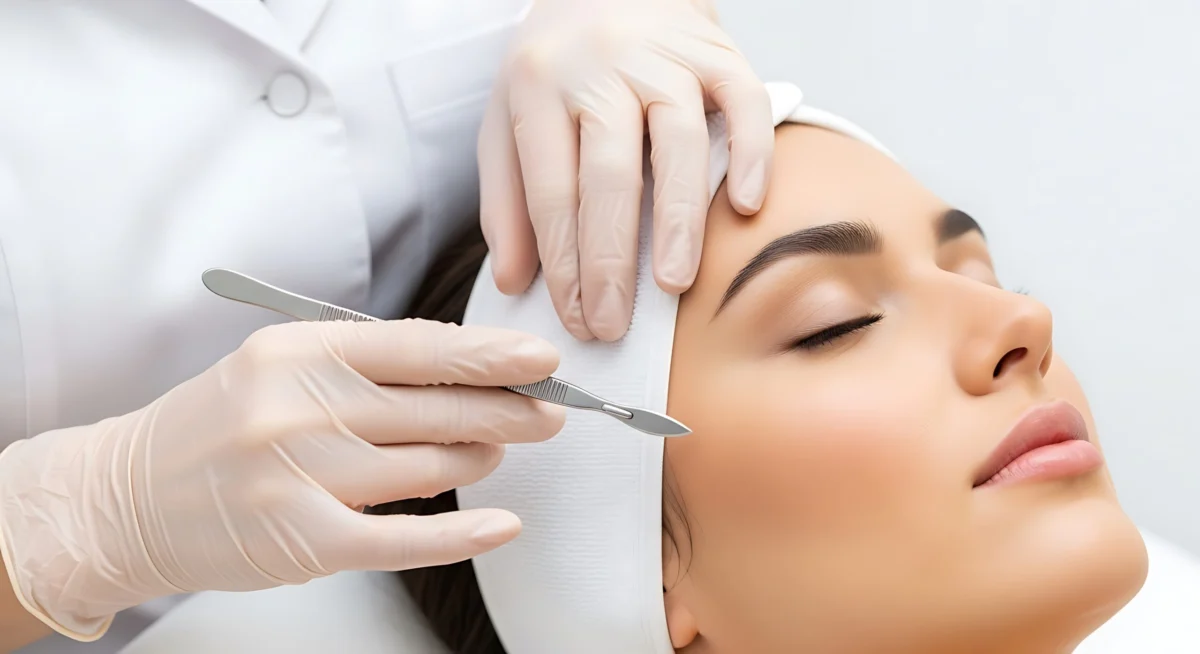
Table of Contents
Skin can look dull or feel rough, even with a consistent skincare routine. A dermaplaning facial helps refresh the surface by gently removing dead skin buildup and fine peach fuzz, leaving the skin feeling smoother and looking brighter without a more intensive treatment.
What Dermaplaning Actually Does
Dermaplaning uses a sterile surgical blade held at a careful angle to skim the outermost surface of the skin. The treatment removes two things that often affect skin texture: dead skin cells and fine facial hair.
Dead skin cells can collect on the surface and make the complexion look uneven or dull. Fine facial hair can make the skin feel less smooth and may affect how makeup applies. By clearing both at the same time, dermaplaning helps the skin feel more polished without using scrubs, acids, or heat-based devices.
This is why many patients describe dermaplaning as a form of non-invasive skin exfoliation. It does not involve needles or deep resurfacing. The treatment works on the skin’s surface, making it a practical option for many who want visible smoothness without significant downtime.
Why Dull Skin Happens Even With Good Skincare
Dullness is not always caused by poor skincare habits. Skin naturally sheds dead cells, but that process can slow down or become uneven due to dryness, aging, environmental exposure, product buildup, or irritation. When dead cells remain on the surface, the skin may reflect light less evenly.
This can create the appearance of roughness, uneven tone, or a tired complexion. In some cases, patients respond by using stronger exfoliating products at home. That may help some skin types, but it can also cause stinging, redness, dryness, or a weakened skin barrier when used too often.
Dermaplaning offers a different approach. Instead of relying on gritty scrubs or frequent active ingredients, it uses controlled manual exfoliation performed by a trained provider. For many patients, this makes it a useful exfoliation treatment for glowing skin, especially when the goal is a smoother surface rather than a dramatic skin change.
The Role of Peach Fuzz in Skin Texture
Peach fuzz is normal. Everyone has some amount of fine facial hair, and it does not mean anything is wrong with the skin. Still, for some individuals, vellus hair can make the face feel less smooth or make makeup appear more noticeable.
Fine hair can catch powder, foundation, sunscreen, and tinted products. This may create a textured look even when the skin itself is healthy. Dermaplaning can help by removing that fine hair at the surface.
This is one reason dermaplaning for peach fuzz removal is so popular. The goal is not to change who you are or create a filtered appearance. It simply gives the skin a cleaner surface, which can make daily skincare and makeup application feel easier.
A common concern is that the hair will grow back thicker or darker. Dermaplaning does not change the hair follicle. Since the treatment only removes hair at the surface, it does not alter the color, density, or growth pattern of facial hair.
Dermaplaning Benefits Without the Hype
The most talked-about dermaplaning benefits usually center on texture and brightness. After treatment, the skin may feel softer to the touch. Makeup may apply more evenly. Skincare products may spread more smoothly. The complexion may also look fresher because surface buildup has been removed.
Still, dermaplaning should be understood clearly. It is not a treatment for deep wrinkles, significant acne scars, severe discoloration, or active acne. It does not replace medical dermatology care or more advanced procedures when those are needed.
Its strength is surface refinement. Dermaplaning for smooth skin can be helpful when roughness, dead cell buildup, or fine facial hair are the main concerns. When expectations are realistic, the treatment can be a simple and effective part of a broader skin care plan.
What to Expect During a Dermaplaning Facial
A dermaplaning appointment usually begins with cleansing the skin. Your provider may examine your skin closely to check for irritation, active breakouts, sunburn, open areas, or conditions that could make the treatment inappropriate that day.
During the treatment, the provider gently stretches small sections of skin and uses a sterile blade to exfoliate with light, controlled strokes. Most dermaplaning patients describe the sensation as a soft scraping or brushing feeling. It should not feel sharp or painful.
The appointment is typically comfortable and does not require recovery time for most patients. Some people may notice mild pinkness afterward, especially if their skin is naturally sensitive. This usually settles quickly. Your provider may finish with soothing products and sunscreen to protect the freshly exfoliated skin.
Dermaplaning Before and After: What Changes Are Realistic?
Photos can make any skin treatment seem more dramatic than it actually is, so it helps to know what a realistic dermaplaning before and after may show. The most noticeable changes are usually a smoother texture, reduced visible peach fuzz, and a brighter-looking surface.
The skin may look more even because light reflects off a clearer surface. Makeup may appear less patchy. Dry flakes may be less visible. The face may feel softer when applying moisturizer or sunscreen.
The results are not permanent because skin continues to renew itself and fine hair grows back over time. Many people schedule dermaplaning every four to six weeks, depending on their skin type, sensitivity, and provider recommendations. Others choose it only before an event or when their skin feels especially rough.
Who May Be a Good Candidate?
Dermaplaning may be appropriate for people with dullness, mild surface roughness, dry flakes, or fine facial hair they would like removed. It can be especially appealing for those who do not tolerate certain exfoliating acids or physical scrubs well.
That said, it is not right for every skin condition. People with active acne, inflamed breakouts, open cuts, cold sores, sunburn, or certain rashes may need to wait. Dermaplaning over irritated or compromised skin can increase discomfort and may worsen sensitivity.
This is why professional assessment matters. A provider can look at your skin, discuss your goals, and decide if dermaplaning fits your needs or if another treatment would be more appropriate.
How to Care for Skin After Dermaplaning
After dermaplaning, your skin may be more receptive to products, but it may also be more sensitive for a short time. Gentle care is best.
Use a mild cleanser, apply a hydrating moisturizer, and wear sunscreen daily. Avoid harsh scrubs, strong exfoliating acids, and retinoids for a few days unless your provider gives different instructions. Sun protection is especially important because freshly exfoliated skin can be more vulnerable to irritation from UV exposure.
It is also wise to avoid picking, rubbing, or layering too many active ingredients right after treatment. Keeping your routine simple gives the skin time to settle and helps maintain the smooth, comfortable feeling dermaplaning can provide.
NEO Dermatology Dermaplaning Facial in Beachwood
At NEO Dermatology, dermaplaning is approached with precision and intention. Board-certified dermatologist Dr. Meredith Reimer prioritizes assessment before treatment, ensuring this exfoliation technique is appropriate for your skin type and goals. Dermaplaning is not about chasing trends or quick fixes. It is about thoughtfully improving skin clarity and comfort while supporting long-term skin health.
For patients looking for a facial for brighter skin, the focus is on safe, measured care rather than overpromising. A dermaplaning facial in Beachwood appointment can help address surface buildup and peach fuzz while keeping your skin’s current condition in mind. The ultimate goal is to help patients feel confident in their skin through careful, evidence-based care.
Reveal smoother, brighter skin instantly. Schedule your dermaplaning facial in Beachwood, OH, today and experience a refreshed, glowing complexion.
Frequently Asked Questions
Can I combine dermaplaning with other treatments?
Yes, dermaplaning may be combined with treatments like chemical peels or facials, but a consultation is needed first to make sure your skin can tolerate the combination safely.
Is dermaplaning suitable for sensitive skin?
Dermaplaning may be suitable for some sensitive skin types, but your provider should evaluate your skin first to avoid irritation.
How long do dermaplaning results last?
Dermaplaning results often last about three to four weeks, depending on your skin’s renewal cycle and hair growth.