Skip to content
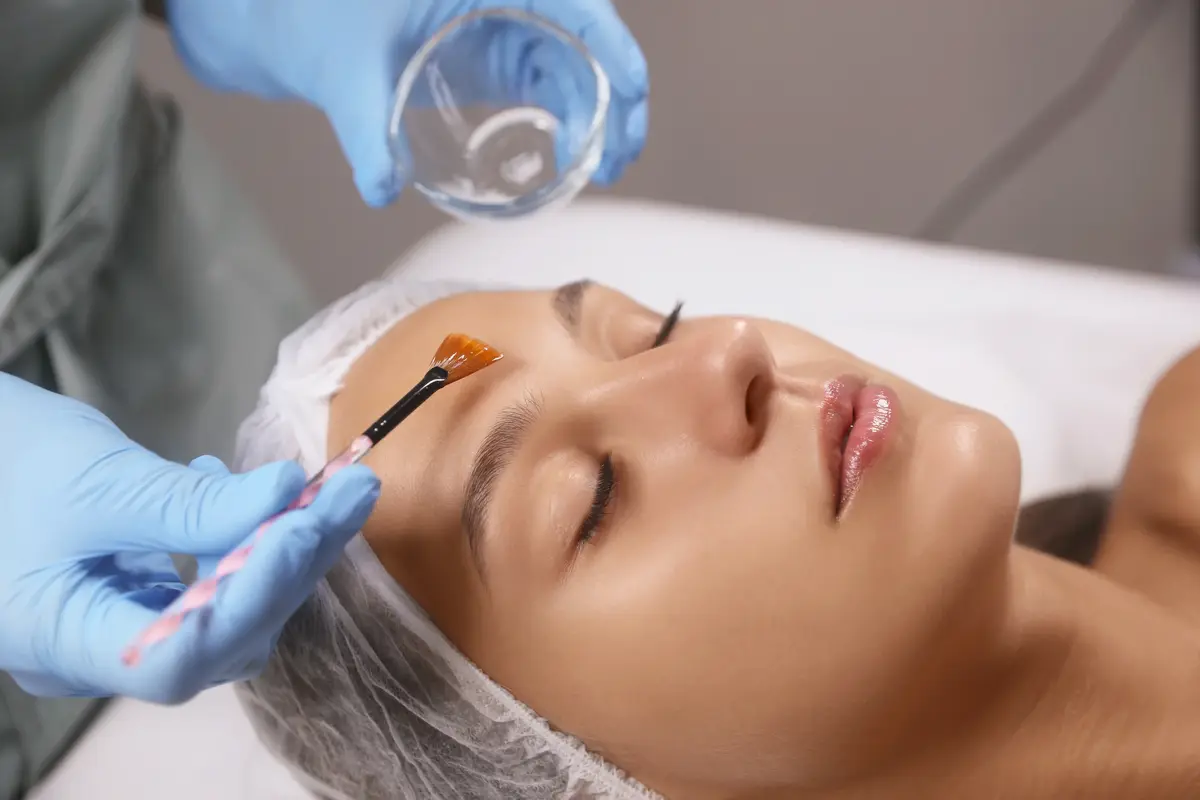
Table of Contents
There is a point at which good skincare habits and quality products are no longer enough. The post-acne marks stay put. The pigmentation from sun exposure does not budge. The fine lines keep getting a little more noticeable. That is not a failure of your routine. It is a signal that your skin needs something that works at a deeper level than any serum can reach.
Chemical peels are among the most clinically supported options for these concerns, and NEO Dermatology in Beachwood, OH approaches them with a dermatologist-led assessment rather than a one-size-fits-all formula. Dr. Meredith Reimer evaluates each patient’s skin type, sensitivity, and goals before recommending a peel type. That personalized approach, rather than defaulting to a standard protocol for every patient who walks in, is what separates outcomes that actually hold up from results that fall short of expectations.
How do you know which type of chemical peel is right for acne scars, pigmentation, or fine lines?
The right peel depends on what you are treating and how much downtime you can manage. Superficial peels using glycolic or salicylic acid address mild pigmentation, congestion, and early texture changes with minimal recovery. Medium-depth peels reach further to correct more significant post-acne discoloration and fine lines. A dermatologist’s assessment determines the right depth and formulation for your skin without unnecessary risk.
Why Peel Type and Depth Matter More Than Most People Realize
Chemical peels involve a controlled exfoliation with a chemical that removes damaged outer layers of skin and stimulates the skin’s natural renewal response. As that treated skin flakes off, there is a smoother texture underneath, a more uniform tone, and less accumulated surface damage. The depth at which the peel reaches is the crucial variable. Different skin issues are found at different depths, and using the peel that matches the condition offers substantial benefits.
Over-the-counter exfoliants work at a very superficial level by design. Professional peels, particularly those applied under medical supervision, reach layers of skin where the changes that matter for acne scars, pigmentation, and fine lines actually occur. The clinical oversight is what makes that level of treatment both effective and appropriate for a wider range of skin types.
Superficial Peels: Best for Mild Pigmentation, Congestion, and Early Texture
The most common peels are superficial peels with glycolic acid or salicylic acid and have the least downtime. Glycolic acid – Helps with general texture, minor discoloration, and dullness. Salicylic acid is oil soluble, meaning it can actually get into the pores themselves. This makes it very useful for acne-prone skin, active breakouts, and post-acne congestion. Most individuals have minimal to no noticeable peeling and can resume their routine immediately.
For patients dealing with early signs of aging, relatively recent post-acne marks, or skin that is generally dull and uneven, a series of superficial peels spaced several weeks apart produces gradual, noticeable improvement. They also work well as a maintenance approach after a deeper peel has done the heavier correction work.
Medium-Depth Peels: Best for Persistent Pigmentation and Fine Lines
For more serious issues, medium-depth peels—which typically use trichloroacetic acid (TCA) are better since they go deeper into the skin. For persistent post-acne hyperpigmentation, sun damage that hasn’t improved with less-aggressive treatments, and fine lines that have deepened over time, a medium-depth peel can be revolutionary. We fix more in a single medium-depth session than we would with multiple surface-level treatments for the same problems.
Recovery involves several days of noticeable redness and peeling as the skin sheds the treated layers, revealing the new skin beneath. This ratio of outcome to downtime suits patients willing to plan around a short recovery period. This is where patients with darker Fitzpatrick skin tones benefit the most from proper formulation selection, which is why consulting with a board-certified dermatologist, not a general aesthetician, counts here.
Chemical Peels for Acne Scars: What They Can and Cannot Fix
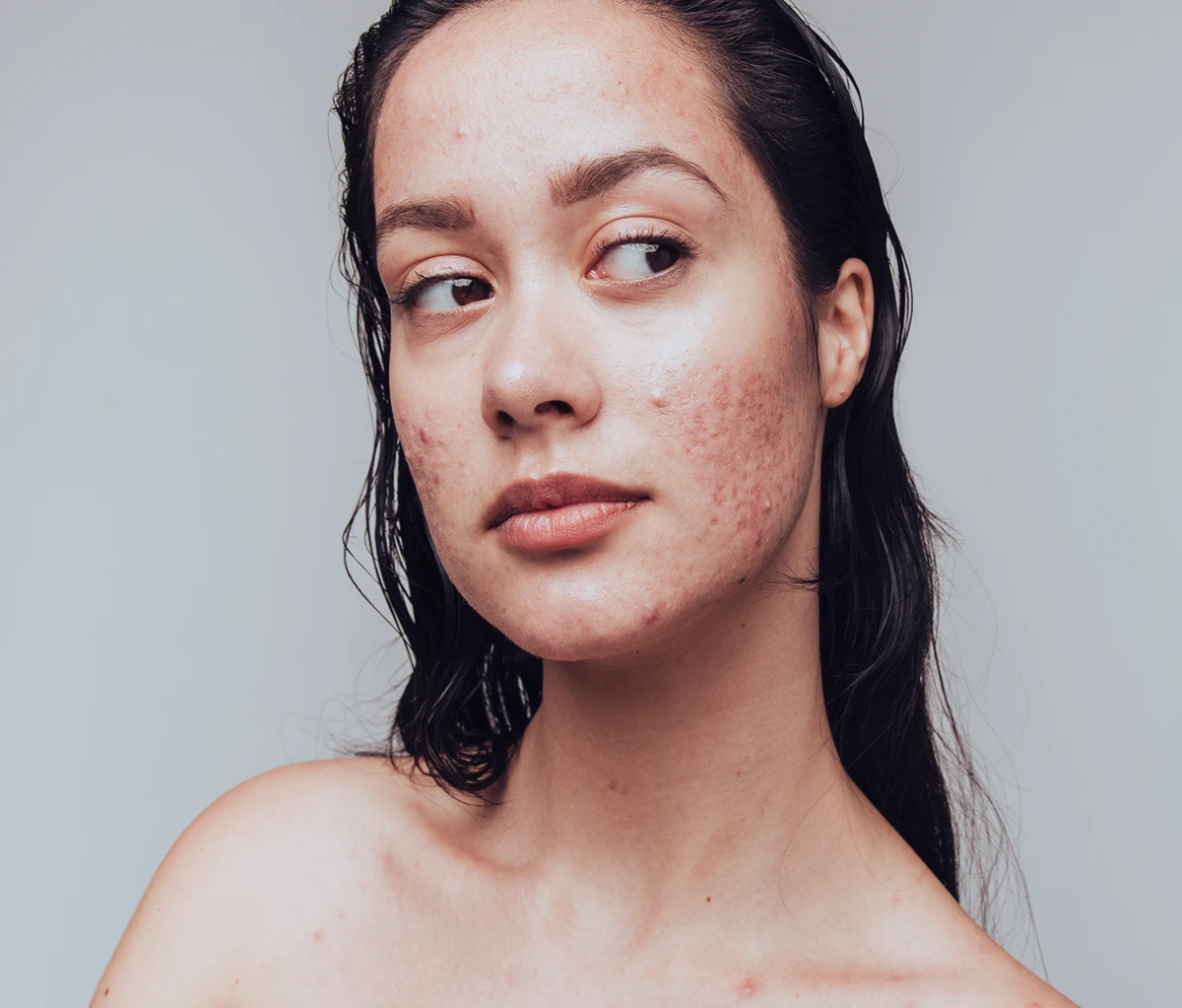
Post-inflammatory hyperpigmentation, the flat dark marks left after a breakout heals, responds well to chemical peels because those marks live in the upper layers of skin where exfoliating agents can reach. A targeted peel series can significantly reduce their appearance and speed up the fading process considerably compared to waiting for natural turnover alone.
True acne scarring that involves textural changes or physical indentation is a different situation. Peels improve the surface quality and overall appearance of scarred skin, particularly its pigmentation, but they are not a standalone solution for structural scarring. An honest consultation will clarify which part of your concern peels can realistically address and whether pairing them with other treatments would deliver a more complete result.
Who Gets the Most Out of Chemical Peel Treatments
Chemical peels work well across a wide range of patients, but they tend to be most satisfying for adults who have tried a solid skincare routine and hit a ceiling on what topical products can accomplish. Persistent post-acne marks, uneven pigmentation from sun exposure, dullness, and early fine lines are the concerns most consistently improved through professional skin resurfacing treatment.
Patients with sensitive skin or a history of irritation are not excluded, but they do best with a clinician who selects a gentler formulation and closely monitors the skin’s response. Anyone with hormonal pigmentation, a compromised skin barrier, or a history of over-exfoliation also deserves a more considered approach than a standard protocol, which is exactly why the assessment-first philosophy at NEO Dermatology makes a practical difference in outcomes rather than just sounding good on paper.
Find Out Which Chemical Peel Is the Right Fit for Your Skin
Chemical peels are among the most evidence-backed options for acne scars, pigmentation, and fine lines, but the results depend entirely on matching the right peel to the right skin. A provider who takes the time to assess your concerns properly will consistently deliver a better outcome than any standardized approach ever could.
Schedule Your Chemical Peel Consultation Today and get a clear, personalized recommendation based on what your skin actually needs right now. Contact our team with any questions before you book. Good skin decisions always start with the right information, and that is exactly what the consultation is designed to provide.