...

Hyperpigmentation Treatment in Beachwood, OH

Hyperpigmentation Treatment

Restoring Clarity, Even Tone, and Confidence in Your Skin

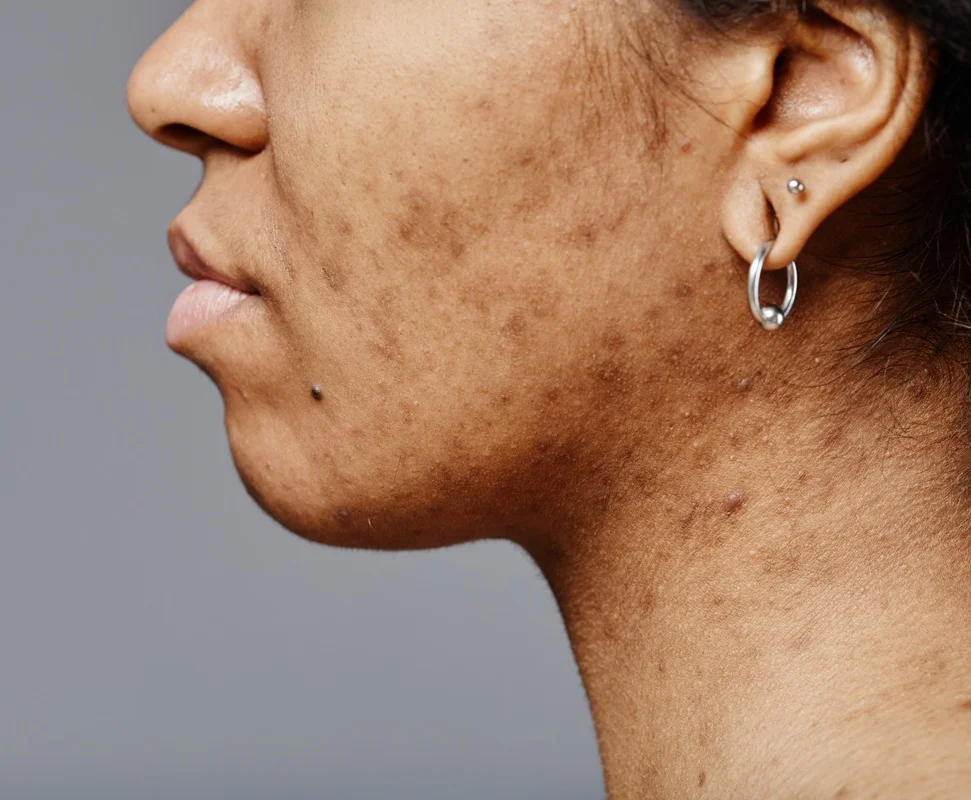
Post-inflammatory hyperpigmentation (PIH) can persist long after the underlying skin condition has healed. Whether it followed acne, eczema, a rash, insect bites, or a cosmetic procedure, these darkened marks often feel like a reminder that won’t fade as quickly as expected. For many patients, PIH affects how comfortable they feel without makeup and can be emotionally frustrating, especially when they’ve done everything “right,” yet the discoloration remains.

PIH is not a single condition with a single solution. Its depth, trigger, skin tone considerations, and inflammatory history all matter. At NEO Dermatology, board-certified dermatologist Dr. Meredith Reimer approaches post-inflammatory hyperpigmentation with an assessment-first philosophy grounded in evidence-based care. Our goal is to help you understand why the pigmentation developed, what type you have, and what realistic improvement looks like, so you can make informed decisions with confidence.

A Dermatologic Perspective on Post-Inflammatory Hyperpigmentation

From a dermatologic standpoint, post-inflammatory hyperpigmentation occurs when inflammation stimulates melanocytes to produce excess pigment during the skin’s healing process. This pigment can settle in the epidermis (surface layers) or deeper in the dermis, influencing how dark the mark appears and how long it takes to fade. PIH is not scarring, but it can persist for months or even years without appropriate management.

Importantly, PIH behaves differently depending on skin tone, pigment depth, and the nature of the original inflammation. Darker skin tones are more prone to PIH due to more active melanocytes, and aggressive or poorly matched treatments can worsen discoloration rather than improve it. Effective care requires identifying the cause, calming ongoing inflammation, protecting the skin barrier, and supporting gradual pigment regulation rather than forcing rapid removal.

Benefits of Post-Inflammatory Hyperpigmentation Care:

What are the Common Concerns Addressed by Post-Inflammatory Hyperpigmentation Treatment?

Post-Acne Dark Spots

Lingering marks after breakouts that don’t fade on their own, often leading patients to search for effective dark spot treatment options.

Pigmentation After Rashes or Inflammation

Discoloration left behind from eczema, dermatitis, or skin irritation that creates ongoing skin color changes.

Post-Procedure Discoloration

Uneven pigmentation following cosmetic treatments or procedures, causing hesitation about future care without a trusted skin pigmentation specialist.

Resistant Hyperpigmentation

Areas that haven’t improved despite over-the-counter products, prompting frustration and the search for professional hyperpigmentation treatment.

Worsening or Darkening Spots Over Time

Pigment that appears deeper or more noticeable, raising concerns about whether the condition is being properly addressed.

Uneven Skin Tone and Confidence Impact

Visible discoloration that affects how patients feel at work, socially, or without makeup.

Fear of Making Pigmentation Worse

Anxiety about treatments triggering darker spots or uneven fading, especially for those with a history of pigment sensitivity or concerns about loss of pigmentation.

What are the Common Contributing Factors of Post-Inflammatory Hyperpigmentation?

Inflammatory Skin Conditions

Acne, eczema, psoriasis, or rashes can trigger excess pigment during healing.

Skin Injury or Trauma

Picking, scratching, waxing, or aggressive treatments can intensify pigment response.

Sun and Visible Light Exposure

UV and visible light can deepen existing PIH and prolong fading.

Skin Tone and Genetics

Darker skin tones are more prone due to higher melanocyte activity.

Ongoing Irritation

Using harsh products or frequent exfoliation can worsen discoloration rather than improve it.

frequently Asked Questions

Is post-inflammatory hyperpigmentation permanent?
PIH is not permanent, but it can be long-lasting. With appropriate care, many cases gradually fade over time.
The depth of pigment, ongoing inflammation, sun exposure, or inappropriate treatments can delay improvement. An assessment helps clarify why.
No. While both involve pigmentation, PIH is triggered by inflammation, whereas hormonal and vascular pathways drive melasma.
Yes, if not properly matched to your skin type and pigment depth. That’s why professional evaluation is essential.
Results are gradual. Some superficial PIH may improve within weeks, while deeper pigment can take several months.

Why Choose Neo Dermatology for Post-Inflammatory Hyperpigmentation Care?

At NEO Dermatology, post-inflammatory hyperpigmentation is treated with precision, patience, and respect for skin biology. Dr. Meredith Reimer prioritizes accurate diagnosis, thoughtful treatment selection, and education, so patients understand not only what is being done but also why. We do not rush treatment or apply one-size-fits-all solutions. Every plan is customized to your skin tone, history, and sensitivity to minimize risk and support healthy pigment regulation.

Our approach focuses on calming inflammation, protecting the skin barrier, and guiding gradual improvement rather than quick fixes. Most importantly, we partner with you through the process. PIH can be frustrating, but with the right strategy and support, improvement is possible, and you don’t have to navigate it alone.

services we offer

NEO Dermatology offers comprehensive medical, surgical, pediatric, and cosmetic dermatology services tailored to each patient’s needs. Every service is guided by accurate diagnosis, evidence-based treatment, and a thoughtful, individualized approach, ensuring care that supports both immediate concerns and long-term skin health.

Comprehensive care for everyday and complex skin concerns, including rashes, acne, infections, pigment changes, and chronic conditions. Each visit is grounded in careful evaluation and evidence-based treatment to support long-term skin health.
Refined, dermatologist-led cosmetic treatments designed to enhance skin quality while preserving natural appearance. Every plan is personalized, conservative, and guided by a deep understanding of skin biology.
Focused care for specific dermatologic conditions, from inflammatory and autoimmune disorders to hair, nail, and pigment concerns. Treatment begins with a full understanding of the condition, so care is clear, targeted, and effective.

Our CLient Testimonials

Request An Appointment

INQUIRE HERE

Call Now Button