 Skip to content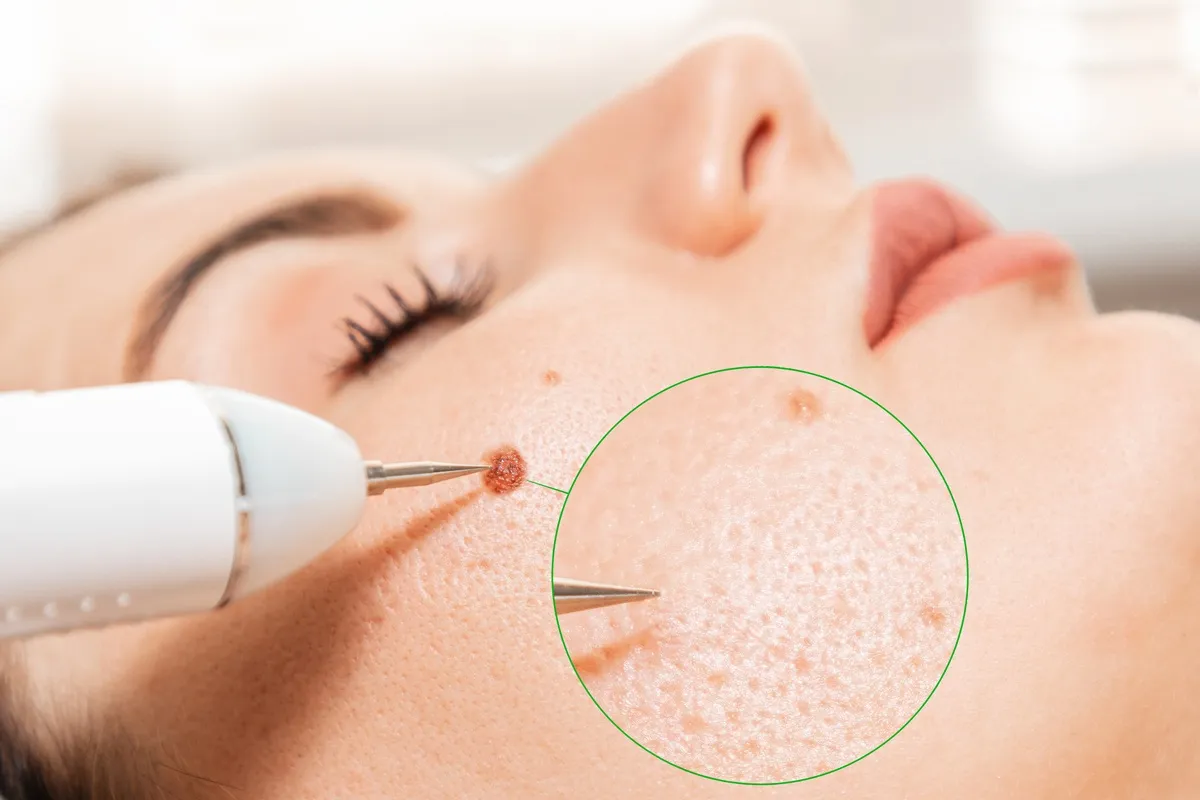
Birthmarks are common, but their appearance, behavior, and significance can vary widely from person to person. Some are present at birth, while others develop later in childhood or adulthood. They may remain stable for years, change slowly over time, or raise questions about cosmetic impact or medical significance. It’s natural to wonder whether a birthmark is something to observe, evaluate further, or address with professional care.
At NEO Dermatology, our team is led by Dr. Meredith Reimer, a board-certified dermatologist, who approaches birthmarks with an assessment-first philosophy grounded in evidence-based medicine. We recognize that no two birthmarks are identical—differences in color, texture, size, location, and evolution over time all matter. Our goal is to help you understand the type of birthmark you have, any expected changes, and whether monitoring or treatment is appropriate.
Birthmarks are classified broadly as vascular (related to blood vessels) or pigmented (related to melanin-producing cells). Common examples include café-au-lait spots, congenital melanocytic nevi, hemangiomas, and port-wine stains. Each type has distinct clinical characteristics, growth patterns, and monitoring considerations. Birthmarks can affect patients of all ages and may carry emotional weight, especially when they are visible, change unexpectedly, or prompt concern about long-term skin health.
While most birthmarks are benign, accurate identification is essential. Some require periodic observation due to changes in size, color, or texture, while others may benefit from intervention for functional, cosmetic, or medical reasons. A thorough skin examination allows the dermatologist to distinguish between harmless variations and lesions that warrant closer follow-up or treatment.
At NEO Dermatology, birthmark evaluation is approached with precision, care, and respect for the individual. Dr. Meredith Reimer emphasizes careful clinical assessment, accurate diagnosis, and patient education before making any recommendations. Understanding your skin is the foundation of confident decision-making.
Our practice avoids one-size-fits-all solutions. Each patient’s birthmark is evaluated within the broader context of their health, skin history, and concerns. Whether monitoring is sufficient or further care is appropriate, recommendations are always thoughtful and evidence-based.
NEO Dermatology offers comprehensive medical, surgical, pediatric, and cosmetic dermatology services tailored to each patient’s needs. Every service is guided by accurate diagnosis, evidence-based treatment, and a thoughtful, individualized approach, ensuring care that supports both immediate concerns and long-term skin health.


“Dr Reimer is an excellent dermatologist. She takes time with you and listens to concerns. She is thorough and explains diagnosis and procedure thoroughly. ”
“Dr Reimer is very attentive to your needs. She makes you feel very comfortable as she is doing your exam by talking to you and asking questions. ”