...

Actinic Keratosis Treatment in Beachwood, OH

Keratosis-Service-in-Beachwood-OH.webp

Protecting Skin Health Through Early, Evidence-Based Care

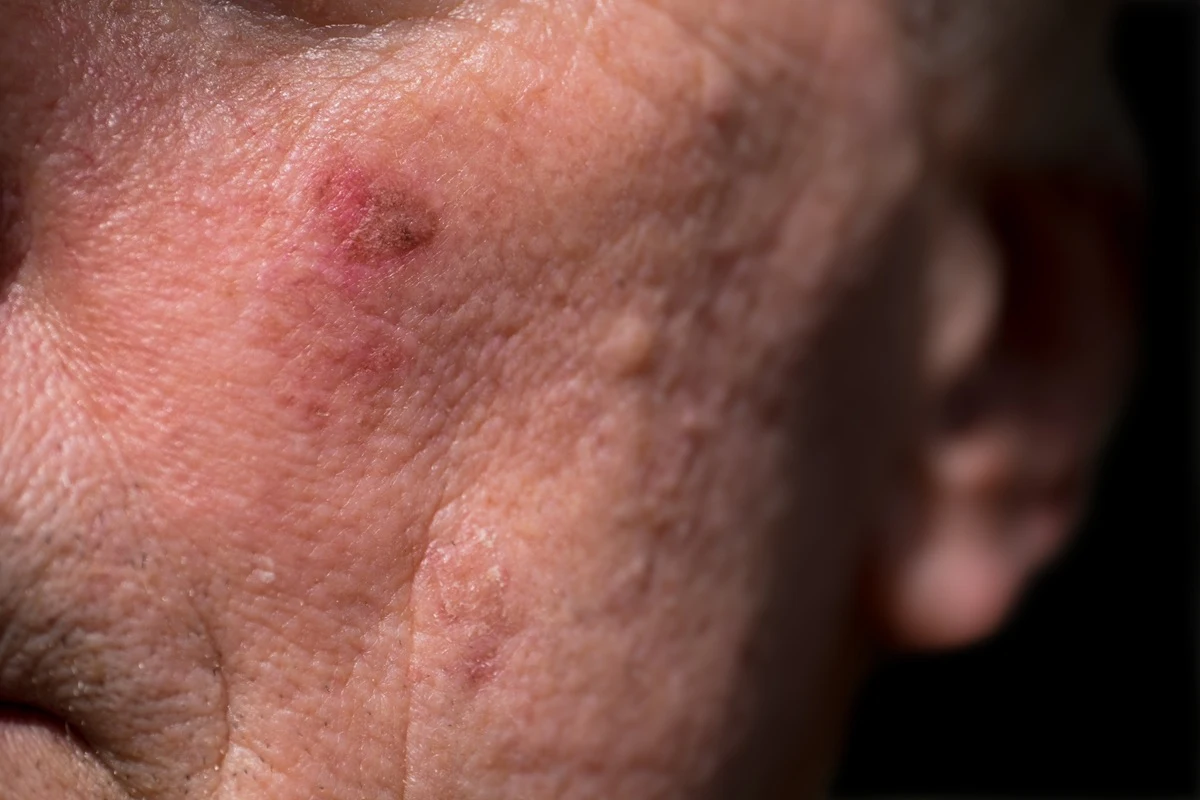
Actinic keratosis is a common condition associated with long-term sun exposure, often developing gradually over the years. Many patients first notice rough, scaly patches or persistent spots that don’t fully heal, especially on areas frequently exposed to the sun. While these changes may seem minor, they can signal underlying skin damage that deserves careful attention.

At NEO Dermatology, we recognize that actinic keratosis does not present the same way in every patient. Factors such as skin type, cumulative sun exposure, immune health, and genetics all influence how lesions appear and behave over time. Under the care of board-certified dermatologist Dr. Meredith Reimer, our focus is on helping patients understand their diagnosis clearly and thoughtfully, so decisions are based on knowledge, not uncertainty.

A Dermatologic Perspective on Actinic Keratosis

From a clinical view, actinic keratoses are considered precancerous lesions resulting from cumulative ultraviolet (UV) radiation exposure. Chronic sun exposure alters the DNA of keratinocytes, the primary cells in the outer layer of the skin, leading to abnormal cellular changes. These lesions most often develop on sun-exposed areas, including the face, scalp, ears, hands, forearms, and lower legs.

Actinic keratosis exists along a biologic spectrum. While some lesions may remain stable, others may progress to squamous cell carcinoma. Because it is not possible to predict which lesions will change, dermatologic evaluation and ongoing monitoring are essential. A trained assessment allows us to accurately distinguish AKs from benign growths, inflammatory conditions, or early skin cancers and to guide management based on established medical evidence.

Benefits of Actinic Keratosis Care:

What are the Common Concerns Addressed by Actinic Keratosis Care?

Persistent Rough or Scaly Patches

Sun-damaged spots that do not improve with routine skincare or moisturizers.

Symptomatic or Irritated Lesions

Areas that sting, itch, bleed, or remain tender, signaling ongoing skin damage.

Recurrent or Resistant Spots

Lesions that return after freezing or topical treatments, raising concern about incomplete clearance.

Widespread Sun Damage

Multiple rough areas developing over time, especially on frequently exposed skin.

Cancer-Related Worry

Anxiety about progression to squamous cell carcinoma if lesions are left untreated.

Visible Cosmetic Changes

Noticeable texture or discoloration on the face, scalp, or hands affecting confidence.

Uncertainty About Risk

Difficulty knowing which spots are harmless versus those needing medical attention.

What are the Common Contributing Factors of Actinic Keratosis?

Chronic Sun Exposure

Years of UV radiation damage accumulate, even without frequent sunburns.

Fair Skin Types

Lighter skin tones have less natural protection against UV damage.

Age

The likelihood of AKs increases with age due to cumulative exposure.

Outdoor or Occupational Exposure

Regular time spent outdoors without adequate sun protection increases risk.

History of Sunburns

Intense UV injury accelerates cellular damage in the skin.

Weakened Immune System

Immunosuppression can impair the skin’s ability to repair damaged cells.

frequently Asked Questions

Is actinic keratosis the same as skin cancer?
No. Actinic keratosis is considered precancerous, meaning it can progress to squamous cell carcinoma. This is why evaluation and management are essential.
Not always, but many do. Treatment decisions depend on the number of lesions, their appearance, symptoms, and your overall skin cancer risk. A consultation helps determine the best approach.
Diagnosis is typically made through a clinical skin examination. In some cases, a biopsy may be recommended to confirm the diagnosis or rule out skin cancer.
This varies. Some lesions respond to a single treatment, while others require ongoing management or field therapy. Your plan is based on your individual presentation.
Actinic keratosis reflects widespread sun damage, not just isolated spots. Treating visible lesions alone may not address underlying skin changes, which is why follow-up and monitoring are essential.

Why Choose Neo Dermatology for Actinic Keratosis Care?

At NEO Dermatology, actinic keratosis is approached as a medical condition requiring thoughtful evaluation, not a cosmetic inconvenience. Dr. Reimer brings a board-certified, academically grounded perspective to every assessment, ensuring diagnoses and treatment recommendations are based on clinical evidence and long-term considerations for skin health.

Our assessment-first philosophy prioritizes understanding your skin in context, your history, your risk factors, and how your skin is changing over time. We avoid one-size-fits-all treatment plans and instead tailor care to your medical needs.

services we offer

NEO Dermatology offers comprehensive medical, surgical, pediatric, and cosmetic dermatology services tailored to each patient’s needs. Every service is guided by accurate diagnosis, evidence-based treatment, and a thoughtful, individualized approach, ensuring care that supports both immediate concerns and long-term skin health.


Comprehensive care for everyday and complex skin concerns, including rashes, acne, infections, pigment changes, and chronic conditions. Each visit is grounded in careful evaluation and evidence-based treatment to support long-term skin health.
Refined, dermatologist-led cosmetic treatments designed to enhance skin quality while preserving natural appearance. Every plan is personalized, conservative, and guided by a deep understanding of skin biology.
Focused care for specific dermatologic conditions, from inflammatory and autoimmune disorders to hair, nail, and pigment concerns. Treatment begins with a full understanding of the condition, so care is clear, targeted, and effective.

Our CLient Testimonials

Request An Appointment

INQUIRE HERE

Call Now Button