
 Skip to content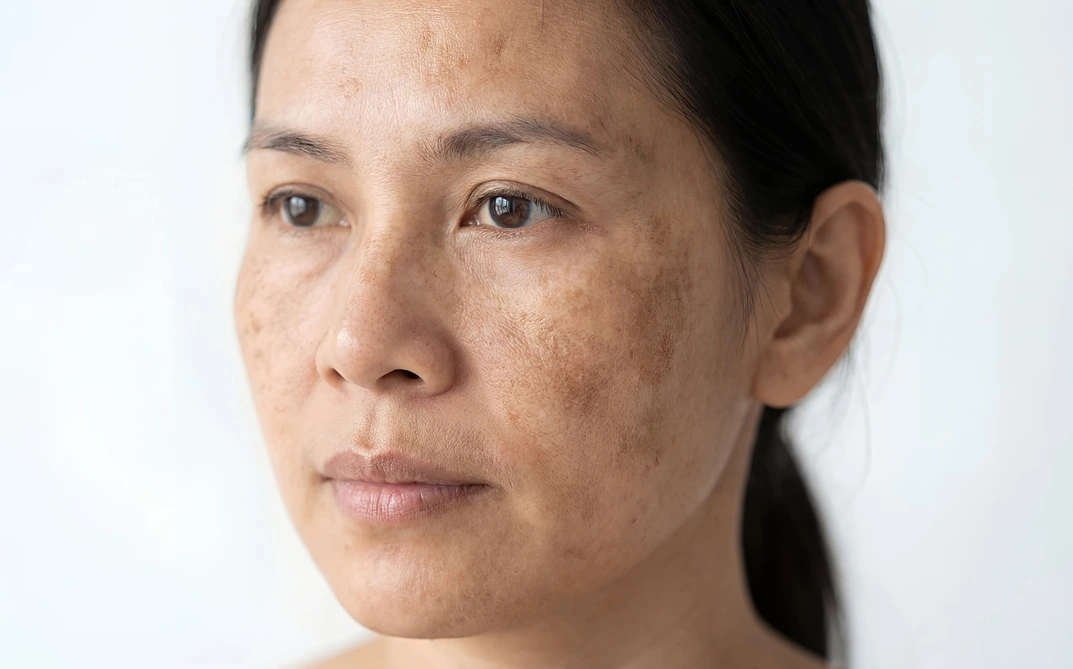
Melasma is a complex pigmentary condition that often appears as symmetrical patches of discoloration on the face, commonly affecting the cheeks, forehead, upper lip, and jawline. While it is medically benign, its visibility can significantly impact confidence and emotional well-being. Many patients describe frustration with how persistent and unpredictable melasma can feel, especially when it deepens despite diligent skincare or fades only to return.
At NEO Dermatology, board-certified dermatologist Dr. Meredith Reimer approaches melasma with an assessment-first philosophy grounded in evidence-based dermatology. We recognize that melasma is not a surface-level issue alone; it reflects deeper interactions between pigment-producing cells, hormones, sun exposure, and inflammation. Because melasma presents differently in each individual, understanding your unique pattern and triggers is essential to meaningful improvement.
From a dermatologic standpoint, melasma is a chronic acquired hyperpigmentation disorder driven by overstimulation of melanocytes, the cells responsible for pigment production. Unlike sunspots or post-inflammatory hyperpigmentation, melasma often involves deeper layers of the skin, making it more resistant to standard brightening treatments.
Ultraviolet (UV) light, visible light, and heat all contribute to triggering pigment production, even with minimal sun exposure. Hormonal influences, such as estrogen and progesterone, can further amplify melanocyte activity, which is why melasma is more common in women and during pregnancy or hormonal therapy. Effective management requires a comprehensive strategy that focuses on pigment regulation, inflammation control, and strict photoprotection rather than aggressive or one-size-fits-all treatments.
Brown or gray-brown patches on the face that do not fade on their own.
Pigmentation that worsens with sun exposure despite consistent sunscreen use.
Discoloration that reappears after previous treatments seemed to work.
Patchy color changes that interfere with makeup application and overall confidence.
Skin irritation or worsening pigmentation from harsh or ineffective products.
Pigmentation shifts linked to pregnancy, oral contraceptives, or hormonal fluctuations.
Disappointment from the lack of lasting improvement despite multiple treatment attempts.
UV rays and even visible light can overstimulate pigment-producing cells, making melasma darker or more noticeable despite short or indirect exposure.
Fluctuations related to pregnancy, oral contraceptives, or hormone therapy can increase melanocyte activity and trigger or worsen pigmentation.
A family history of melasma or pigment disorders can make some individuals more susceptible, even with minimal triggers.
Heat from the sun, exercise, or environmental exposure can activate melanocytes and intensify discoloration.
Overly aggressive products or procedures may inflame the skin, leading to rebound pigmentation rather than improvement.
Melasma is a chronic condition, but it can often be managed effectively with the right approach. Improvement is possible with consistent care and maintenance.
Many treatments focus only on surface pigment. Without addressing depth, triggers, and inflammation, results may be incomplete or temporary.
Recurrence is common, especially without sun protection and maintenance care. Long-term management is key.
No. While sun exposure plays a significant role, hormones, genetics, and inflammation are equally important factors.
A dermatologic evaluation is essential to determine pigment depth, triggers, and the safest, most effective plan for your skin.
At NEO Dermatology, melasma is treated with precision, patience, and respect for the condition’s complexity. Dr. Meredith Reimer prioritizes thorough evaluation before recommending any treatment, ensuring that care decisions are grounded in dermatologic science rather than trends.
Our commitment extends beyond initial treatment. Through ongoing support, thoughtful monitoring, and realistic guidance, we aim to help patients achieve healthier skin and sustained confidence while respecting the long-term nature of melasma management.
NEO Dermatology offers comprehensive medical, surgical, pediatric, and cosmetic dermatology services tailored to each patient’s needs. Every service is guided by accurate diagnosis, evidence-based treatment, and a thoughtful, individualized approach, ensuring care that supports both immediate concerns and long-term skin health.



“Dr Reimer is an excellent dermatologist. She takes time with you and listens to concerns. She is thorough and explains diagnosis and procedure thoroughly. ”
“Dr Reimer is very attentive to your needs. She makes you feel very comfortable as she is doing your exam by talking to you and asking questions. ”