
 Skip to content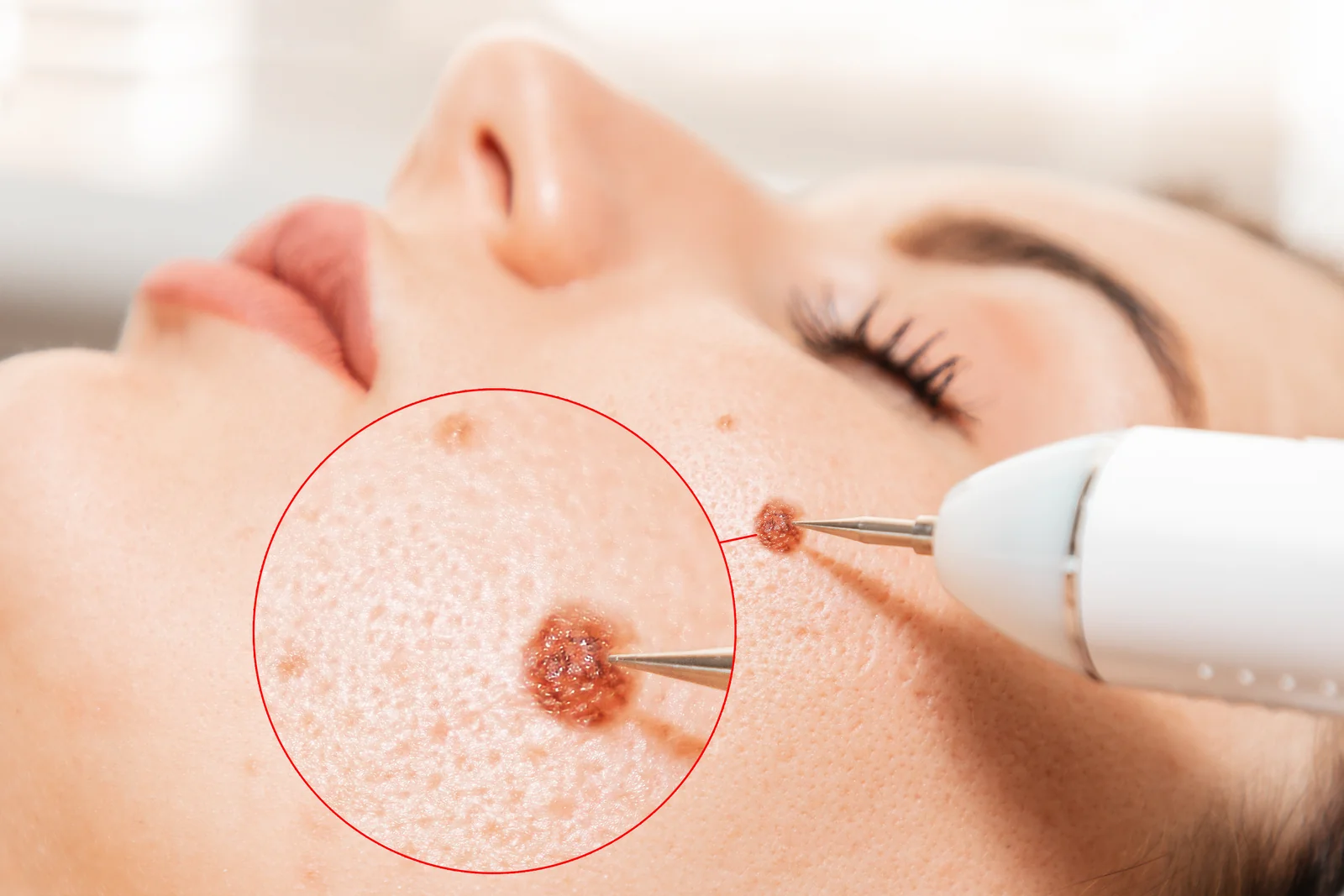
Hearing the word melanoma can feel overwhelming. Even the possibility of it can create anxiety, uncertainty, and fear about what comes next. Melanoma is the most serious form of skin cancer, and it does not look the same in every person. It can appear as a changing mole, a new dark spot, or an area of skin that doesn’t seem right. Because melanoma varies widely in its presentation and progression, careful evaluation and early detection are essential.
At NEO Dermatology in Beachwood, Dr. Meredith Reimer approaches melanoma with an assessment-first, evidence-based philosophy. We understand that every patient’s skin, risk factors, and medical history are unique. Our goal is not only to identify melanoma early when it is most treatable, but also to help you understand your skin, your risks, and the steps needed to protect your long-term health. Knowledge, clarity, and thoughtful care are central to empowering patients during what can be a stressful time.
From a dermatologic standpoint, melanoma develops when pigment-producing cells called melanocytes grow abnormally and uncontrollably. Unlike many other skin cancers, melanoma has a higher potential to spread beyond the skin if not detected early. This is why dermatologists emphasize regular skin examinations and prompt evaluation of suspicious or changing lesions.
Melanoma can arise within an existing mole or develop as a new lesion on previously normal skin. It may vary in color, shape, or size, and sometimes lacks obvious warning signs. Dermatologic assessment includes visual examination, dermoscopy, and, when indicated, biopsy to determine whether a lesion is benign or malignant. Accurate diagnosis and staging guide appropriate management and ongoing monitoring.
Spots that evolve in size, shape, or color and raise concern over time.
Recently appearing pigmented spots that look different from existing moles.
Asymmetry, uneven borders, or varied coloration that feels unsettling or suspicious.
Areas that itch, bleed, crust, or fail to heal correctly.
Increased vigilance due to prior melanoma or genetic risk factors.
Ongoing worry about long-term UV exposure and skin cancer risk.
Not knowing whether a spot is benign or requires immediate attention.
Intense sun exposure or tanning bed use increases DNA damage in skin cells.
Severe or blistering sunburns, especially earlier in life, raise melanoma risk.
Lighter skin tones, hair, and eye color are more vulnerable to UV damage.
A higher number of moles or dysplastic nevi increases risk.
Genetics play a role, particularly with first-degree relatives affected by melanoma.
Melanoma originates from pigment-producing cells and has a greater potential to spread if not caught early. This makes early detection especially important.
Any mole that changes, looks different from others, or causes symptoms like itching or bleeding should be evaluated. When in doubt, it’s best to have it examined.
No. Many moles and lesions are benign. A professional dermatologic evaluation is the only way to determine whether a lesion is concerning.
The frequency depends on your individual risk factors. Some patients benefit from annual exams, while others may need more frequent monitoring.
Melanoma can develop subtly and in hard-to-see areas. This is why routine professional skin checks are so necessary.
At NEO Dermatology, melanoma care is grounded in clinical expertise, precision, and patient education. Dr. Meredith Reimer takes the time to carefully evaluate each patient’s skin, risk profile, and concerns before making recommendations. Informed patients are empowered patients.
Above all, we are committed to long-term skin health. Whether your visit is for reassurance, monitoring, or diagnosis, our goal is to provide thoughtful, compassionate care that supports your confidence and well-being at every step.
NEO Dermatology offers comprehensive medical, surgical, pediatric, and cosmetic dermatology services tailored to each patient’s needs. Every service is guided by accurate diagnosis, evidence-based treatment, and a thoughtful, individualized approach, ensuring care that supports both immediate concerns and long-term skin health.



“Dr Reimer is an excellent dermatologist. She takes time with you and listens to concerns. She is thorough and explains diagnosis and procedure thoroughly. ”
“Dr Reimer is very attentive to your needs. She makes you feel very comfortable as she is doing your exam by talking to you and asking questions. ”