
 Skip to content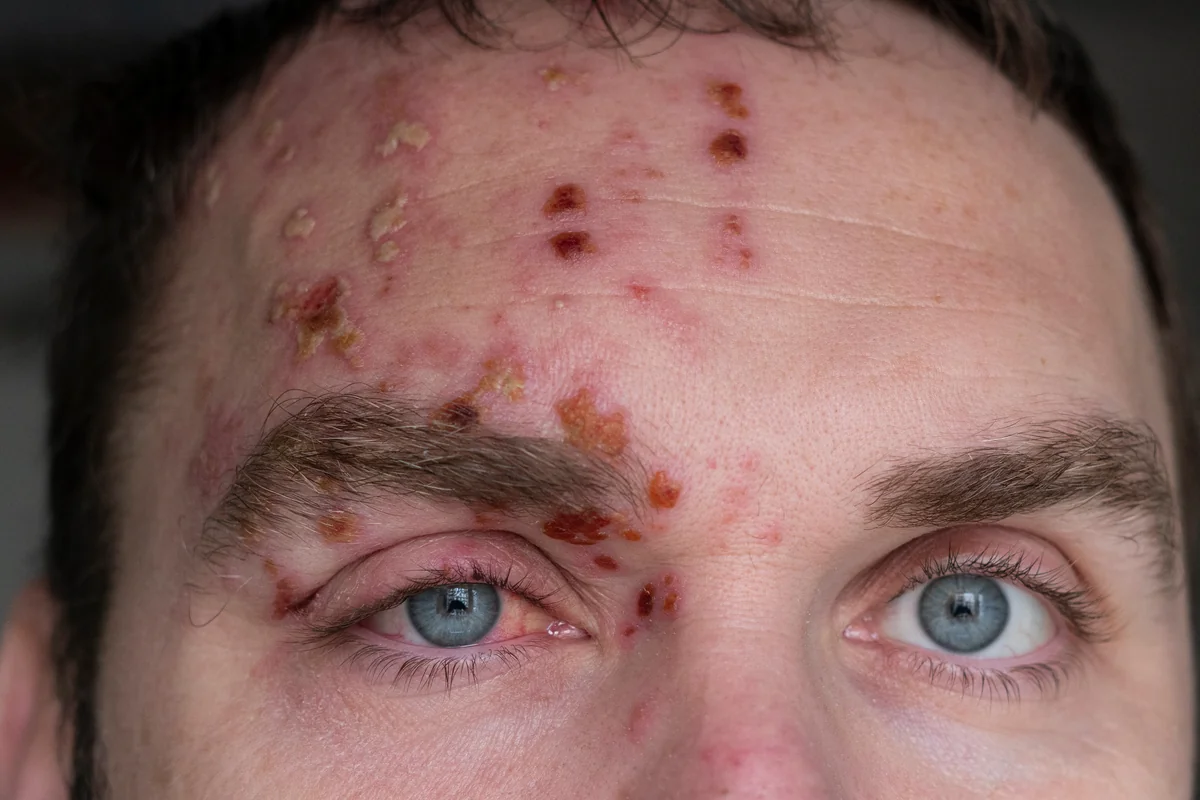
Shingles is a painful and often unsettling skin condition that can appear suddenly, even in people who consider themselves otherwise healthy. It commonly begins with tingling, burning, or sensitivity on one side of the body, followed by a blistering rash that can be both physically uncomfortable and emotionally distressing. Because symptoms can evolve quickly and vary from person to person, shingles often creates uncertainty regarding the diagnosis and its potential severity.
At NEO Dermatology, board-certified dermatologist Dr. Meredith Reimer approaches shingles with an assessment-first philosophy rooted in evidence-based care. Shingles is caused by reactivation of the varicella-zoster virus, the same virus that causes chickenpox, and its presentation can vary widely depending on age, immune status, and the timing of treatment. Some patients experience mild skin involvement, while others develop more intense pain or lingering nerve sensitivity.
From a dermatologic standpoint, shingles (herpes zoster) occurs when the varicella-zoster virus, which remains dormant in nerve tissue after childhood chickenpox, becomes reactivated. When this happens, the virus travels along a nerve pathway to the skin, causing inflammation, pain, and a characteristic one-sided rash that typically follows a specific nerve distribution (dermatome).
Early recognition is critical. Antiviral therapy is most effective when started promptly and can reduce the severity and duration of the outbreak. Dermatologic evaluation also helps distinguish shingles from other blistering or inflammatory skin conditions, ensuring appropriate treatment and monitoring. In some cases, shingles may lead to complications such as postherpetic neuralgia, where nerve pain persists even after the rash resolves—making early, targeted care especially important.
Blistering skin eruptions that typically affect one side of the body or face and worsen discomfort.
Burning, tingling, or sharp pain that may begin before the rash appears or persist after it resolves.
Tenderness to touch or irritation from clothing over the affected area.
Concerns about slow recovery, skin changes, or residual marks after the rash clears.
Anxiety about postherpetic neuralgia or other long-term nerve-related effects.
Confusion about whether symptoms represent shingles or another skin condition requiring different care.
The risk of shingles increases with age as the immune response naturally declines.
Chronic illness, cancer treatments, or immune-suppressing medications can increase susceptibility.
Prolonged stress can affect immune balance and trigger viral reactivation.
Periods of physical strain may reduce the body’s ability to keep the virus dormant.
Anyone who has had chickenpox carries the virus and remains at lifelong risk for shingles.
Shingles itself is not spread person to person. However, the virus can cause chickenpox in individuals who have never had it or have not been vaccinated through direct contact with open blisters.
Shingles typically appears on one side of the body, often with pain or tingling before the rash develops. A professional dermatologic evaluation is the best way to confirm the diagnosis.
Treatment is most effective when started early, ideally within the first few days of symptom onset. Early care can reduce severity and lower the risk of complications.
Most cases heal without scarring, especially with proper care. However, scratching, infection, or delayed healing can increase the risk of skin changes.
Yes, shingles can recur, though many people experience it only once. Your dermatologist can discuss risk factors and prevention strategies based on your health history.
At NEO Dermatology, prompt, thoughtful evaluation makes a meaningful difference in outcomes for shingles. Dr. Meredith Reimer takes the time to assess symptom timing, rash distribution, pain patterns, and overall health to guide appropriate care, rather than relying on assumptions or one-size-fits-all protocols. Our approach is grounded in education and clarity. We help you understand what shingles is, why it happens, and what to expect during recovery.
Treatment plans are individualized to your needs, with close attention to both skin healing and nerve-related symptoms. Most importantly, we remain a partner throughout your care. From early diagnosis to follow-up and prevention guidance, our commitment is to support your recovery with expertise, compassion, and evidence-based dermatology you can trust.
NEO Dermatology offers comprehensive medical, surgical, pediatric, and cosmetic dermatology services tailored to each patient’s needs. Every service is guided by accurate diagnosis, evidence-based treatment, and a thoughtful, individualized approach, ensuring care that supports both immediate concerns and long-term skin health.


“Dr Reimer is an excellent dermatologist. She takes time with you and listens to concerns. She is thorough and explains diagnosis and procedure thoroughly. ”
“Dr Reimer is very attentive to your needs. She makes you feel very comfortable as she is doing your exam by talking to you and asking questions. ”