 Skip to content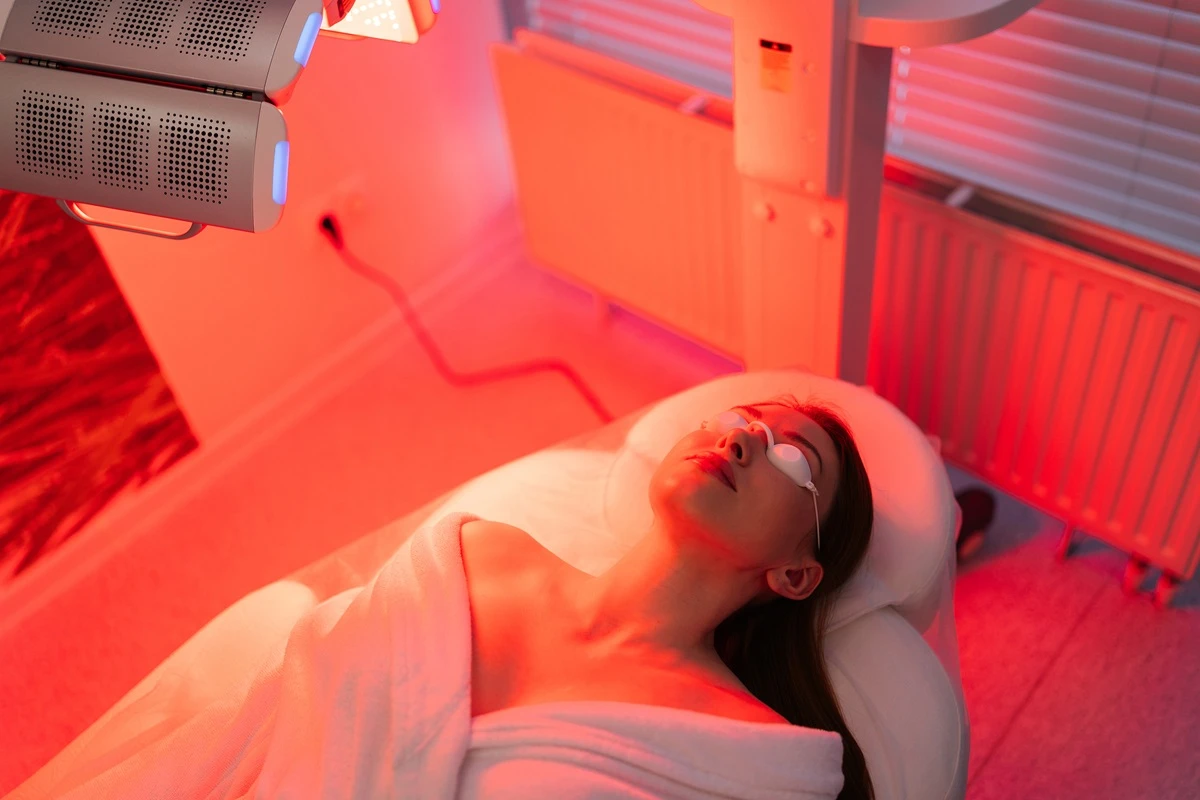
Photodynamic Therapy (PDT) in Dermatology is a non-invasive medical treatment used to treat certain skin conditions, especially precancerous lesions and some types of skin cancer, acne and other cosmetic concerns.
The procedure is typically performed in a clinic, is minimally invasive, and usually has a relatively short recovery time. Common side effects include redness, swelling, and a burning or stinging sensation during or after treatment. Patients are usually advised to avoid sunlight for a period after the procedure, as the skin remains temporarily sensitive to light.
At NEO Dermatology, Dr. Meredith Reimer, a board-certified dermatologist, approaches photodynamic therapy with an assessment-first mindset. Photodynamic therapy is not a one-size-fits-all solution; it is a precise, evidence-based treatment used for specific skin conditions that benefit from targeted cellular therapy. By carefully evaluating each patient’s skin, history, and goals, Dr. Reimer ensures photodynamic therapy is used thoughtfully to treat existing damage, reduce future risk, and empower patients with clarity and confidence in their care plan.
From a dermatologic standpoint, photodynamic therapy services work by combining a photosensitizing agent with a specific wavelength of light to target abnormal or precancerous skin cells selectively. Once activated, this process disrupts damaged cells while minimizing impact on surrounding healthy tissue. This precision is what makes photodynamic therapy distinct from broader, surface-level treatments.
Equally important is patient selection and preparation. Dermatologists consider the type, location, and extent of skin changes, as well as individual skin sensitivity and lifestyle factors. Photodynamic therapy is often used as part of a broader skin health strategy, addressing visible lesions while also reducing subclinical damage that may not yet be apparent on the surface.
Frustration with lesions that keep returning despite topical treatments.
Concern that damage extends beyond what is visibly noticeable.
Anxiety about “watching and waiting” without proactive treatment.
Disappointment when traditional therapies fail to produce results.
Preference for non-invasive options when clinically appropriate.
Cumulative UV damage that affects multiple layers of the skin over time.
Areas of skin with widespread precancerous cellular changes.
Incomplete results due to poor penetration or resistance.
A history of precancerous lesions or sun-related skin damage that increases recurrence risk.
Photodynamic therapy targets damaged cells more comprehensively, including areas that may not yet show visible changes.
Some patients experience temporary discomfort during light activation, which is closely managed and short-lived.
The number of sessions varies depending on the condition being treated and the individual’s response.
Recovery typically involves temporary redness, sensitivity, and strict sun avoidance for a short period.
Standard topical treatments often only reach the surface. PDT is designed to address more widespread or deeper conditions that traditional creams might miss.
At NEO Dermatology, photodynamic therapy is delivered with intention, precision, and education. Dr. Meredith Reimer emphasizes careful evaluation to determine when photodynamic therapy is truly appropriate and how it fits into a patient’s overall skin health plan. Treatment decisions are never rushed or standardized.
Patients receive clear guidance before, during, and after treatment, ensuring realistic expectations and supporting outcomes. Beyond the procedure itself, ongoing monitoring and prevention education are integral parts of care. Our commitment is to protect your skin thoughtfully, reduce future risk, and provide confidence through evidence-based dermatologic care, every step of the way.
NEO Dermatology offers comprehensive medical, surgical, pediatric, and cosmetic dermatology services tailored to each patient’s needs. Every service is guided by accurate diagnosis, evidence-based treatment, and a thoughtful, individualized approach, ensuring care that supports both immediate concerns and long-term skin health.


“Dr Reimer is an excellent dermatologist. She takes time with you and listens to concerns. She is thorough and explains diagnosis and procedure thoroughly. ”
“Dr Reimer is very attentive to your needs. She makes you feel very comfortable as she is doing your exam by talking to you and asking questions. ”