...

Contact Dermatitis Treatments in Beachwood, OH

contact-dermatitis-treatments.webp

Relief Begins With Understanding Your Skin's Triggers

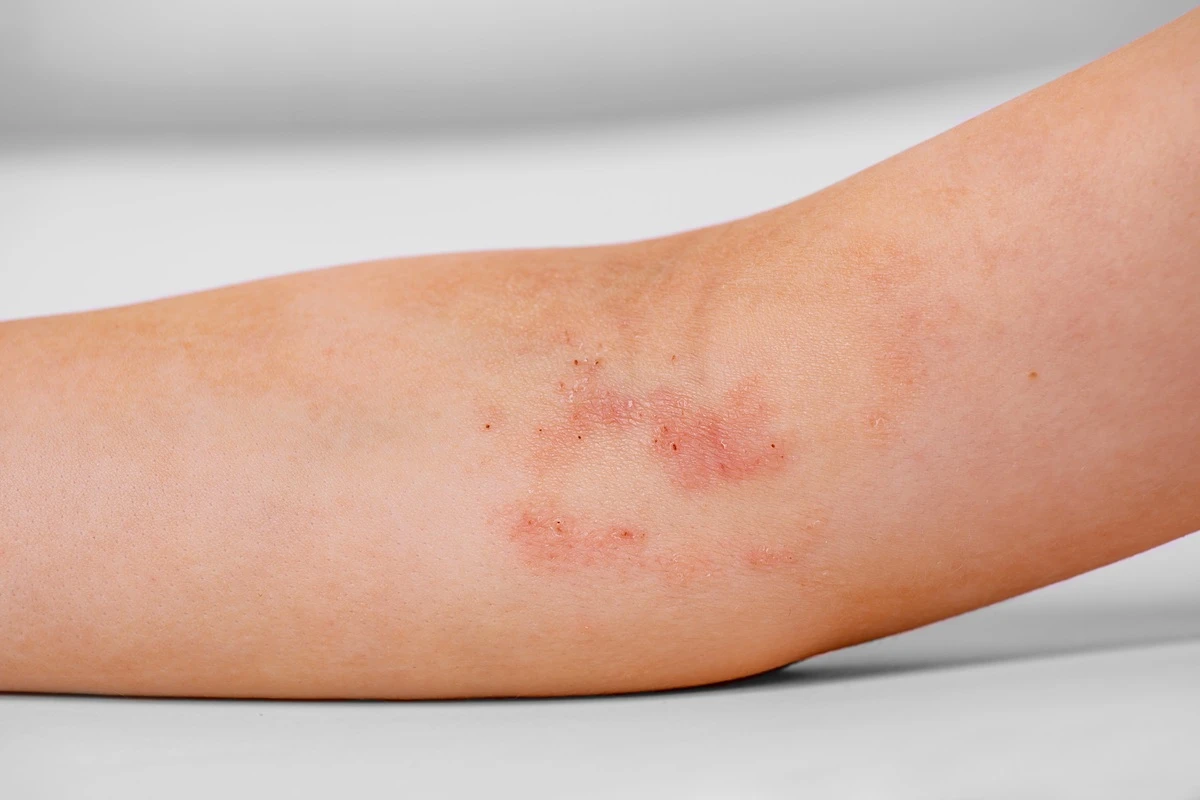
Contact dermatitis can be frustrating, uncomfortable, and disruptive to daily life. Whether it appears suddenly after using a new product or develops gradually with repeated exposure, this type of rash often feels unpredictable and personal. Many patients struggle with redness, itching, burning, or swelling without knowing exactly what caused it, making prevention and relief feel out of reach.

At NEO Dermatology, board-certified dermatologist Dr. Meredith Reimer approaches contact dermatitis with an assessment-first philosophy. Rather than treating the rash alone, we focus on understanding why your skin reacted and how to prevent future flares. Contact dermatitis can present differently from person to person, ranging from mild irritation to severe inflammation, and may affect the hands, face, eyelids, neck, or other exposed areas.

A Dermatologic Perspective on Contact Dermatitis

Contact dermatitis is an inflammatory skin reaction caused by direct contact with an external substance. It is broadly divided into two categories: irritant contact dermatitis, which results from repeated exposure to harsh or drying substances, and allergic contact dermatitis, which occurs when the immune system reacts to a specific allergen after prior sensitization.

A thorough evaluation is essential because contact dermatitis can closely resemble other skin conditions, such as eczema, psoriasis, or fungal rashes. Identifying the exact trigger, whether a skincare ingredient, metal, fragrance, cleaning product, or occupational exposure, guides both treatment and prevention. Dermatologic care focuses on calming active inflammation while reducing the likelihood of recurrence through education, trigger avoidance, and individualized management plans.

Benefits of Contact Dermatitis Care:

What are the Common Concerns Addressed by Contact Dermatitis Care?

Red, Itchy, or Inflamed Rashes After Exposure

Skin reactions that appear after contact with skincare products, metals, fragrances, or chemicals.

Recurrent Hand, Face, or Eyelid Dermatitis

Persistent flares in highly visible or frequently exposed areas that are difficult to avoid.

Lack of Relief From OTC Treatments

Ongoing symptoms despite trying multiple creams, ointments, or “gentle” products.

Work- or Hobby-Related Flares

Rashes tied to occupational exposures, cleaning agents, gloves, or repeated contact at home.

Burning, Stinging, or Scaling Skin

Discomfort that interferes with daily tasks, sleep, or concentration.

Unclear Diagnosis

Confusion between contact dermatitis and eczema, psoriasis, or other chronic rashes.

Emotional and Social Impact

Self-consciousness or frustration caused by visible, unpredictable flares.

Sensitivity to Wipes, Diapers, or Topicals

Irritation in infants or sensitive skin from commonly used products.

Parental Concern About Skin Health

Worry about infection, scarring, or long-term effects on a child’s skin.

What are the Common Contributing Factors of Contact Dermatitis?

Irritating Substances

Soaps, detergents, cleaning products, solvents, or frequent handwashing can weaken the skin barrier over time.

Allergens

Fragrances, preservatives, metals (such as nickel), cosmetics, and topical medications may trigger immune reactions.

Occupational Exposure

Jobs involving chemicals, gloves, or frequent wet work increase risk.

Skin Barrier Disruption

Dry skin, eczema, or micro-injuries make the skin more vulnerable to reactions.

Repeated Exposure

Even mild substances can cause dermatitis with ongoing contact.

frequently Asked Questions

How is contact dermatitis different from eczema?
Contact dermatitis is a specific type of eczema triggered by external factors, whereas atopic dermatitis (often just called ‘eczema’) is typically linked to genetics and internal triggers. Some people may experience both, which is why a professional evaluation is essential.
A detailed history, skin examination, and sometimes patch testing help identify potential triggers. Self-diagnosis can be misleading.
Mild cases may improve once the trigger is removed, but persistent or severe rashes often require medical treatment to resolve fully.
Improvement may begin within days to weeks, depending on severity and how effectively triggers are avoided.
Without identifying and eliminating the underlying cause, symptoms often return. Dermatologic care focuses on both treatment and prevention.

Why Choose Neo Dermatology for Contact Dermatitis?

At NEO Dermatology, effective dermatologic care starts with listening. Dr. Meredith Reimer takes the time to understand your symptoms, lifestyle, and exposures before recommending treatment. This assessment-first approach ensures that care is precise, evidence-based, and tailored to your unique skin needs.

Rather than relying on one-size-fits-all solutions, we focus on identifying triggers, restoring skin health, and preventing recurrence. Education is a key part of our care—we help patients understand their skin so they feel confident managing it long after their visit. Our commitment is to thoughtful, personalized dermatology that prioritizes long-term skin health, comfort, and trust at every stage of care.

services we offer

NEO Dermatology offers comprehensive medical, surgical, pediatric, and cosmetic dermatology services tailored to each patient’s needs. Every service is guided by accurate diagnosis, evidence-based treatment, and a thoughtful, individualized approach, ensuring care that supports both immediate concerns and long-term skin health.


Comprehensive care for everyday and complex skin concerns, including rashes, acne, infections, pigment changes, and chronic conditions. Each visit is grounded in careful evaluation and evidence-based treatment to support long-term skin health.
Refined, dermatologist-led cosmetic treatments designed to enhance skin quality while preserving natural appearance. Every plan is personalized, conservative, and guided by a deep understanding of skin biology.
Focused care for specific dermatologic conditions, from inflammatory and autoimmune disorders to hair, nail, and pigment concerns. Treatment begins with a full understanding of the condition, so care is clear, targeted, and effective.

Our CLient Testimonials

Request An Appointment

INQUIRE HERE

Call Now Button